
Buying land is an important financial decision. For many people, owning a piece of land represents a place to build a home, start a business, farm, or create a long-term investment.
But with large amounts of money involved, land transactions can also attract fraudsters and dishonest sellers.
The good news is that buyers can take practical steps to reduce the risk of losing money.
1. Don’t Rely on an Online Listing Alone
Online marketplaces make it easier to discover land, but a listing should only be the beginning of your research.
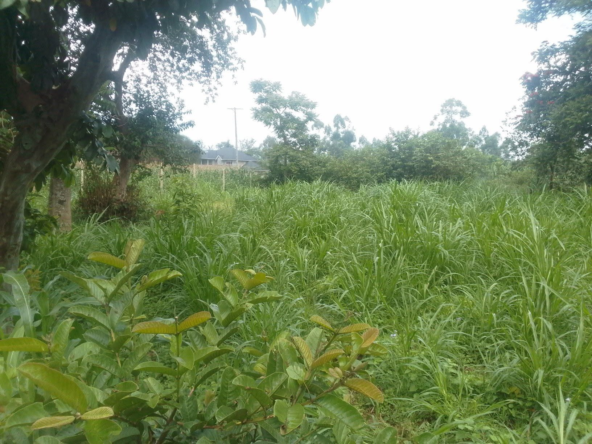
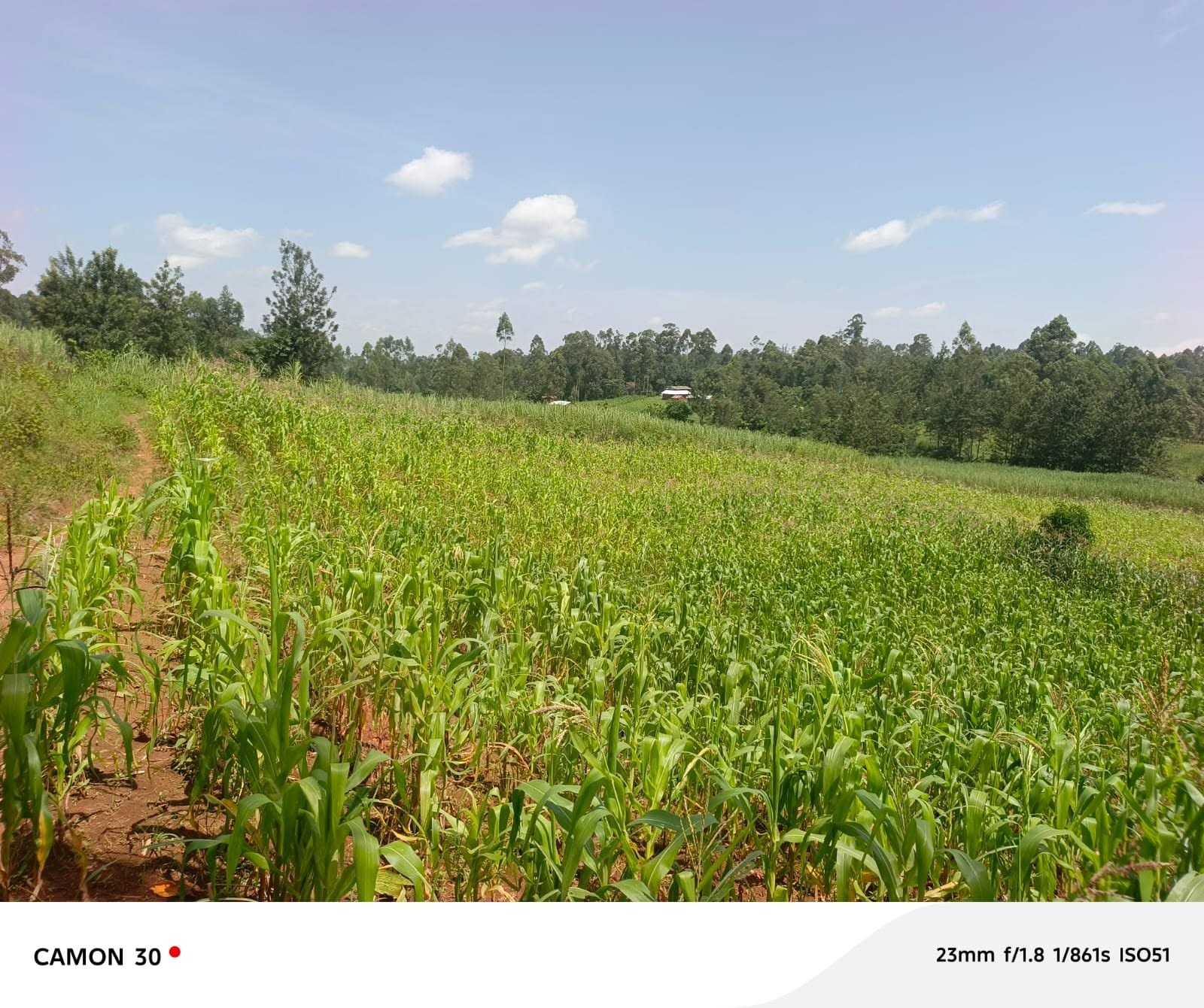
Photos, descriptions, prices, and locations provided in an advertisement should be independently verified before you commit to purchasing the property.
Use online platforms to discover opportunities, then carry out proper due diligence.
2. Confirm the Seller
Find out who owns the property and who you are dealing with.
If the person selling the land claims to be acting on behalf of the owner, ask for appropriate documentation confirming their authority to act.
Be especially cautious when someone is unwilling to provide basic information about ownership.
3. Conduct an Official Land Search
One of the most important steps in a land purchase is verifying the property’s official records.
An official search can help establish the registered ownership and identify interests that may affect the property.
Do not simply accept a photocopy or photograph of a title document as proof that everything is in order.
4. Visit the Property Physically
Always visit the land before making a purchase.
Confirm that:
- The property exists.
- Its location matches the seller’s description.
- The boundaries can be identified.
- There is access to the property.
- The surrounding area matches what was advertised.
Where necessary, involve a qualified surveyor to help verify the boundaries.
5. Talk to People Around the Property
Neighbours and local residents can sometimes provide useful information about the history and ownership of a property.
You may discover information about boundary disputes, competing claims, access problems, or other issues that may not be immediately obvious.
However, local conversations should complement—not replace—official verification.
6. Be Careful With Prices That Seem Too Good
An unusually cheap property may look like a great opportunity, but it can also be a warning sign.
Before paying a deposit, find out why the property is priced significantly below comparable properties in the same area.
A good deal should still make sense when you consider the location, size, access, documentation, and surrounding market.
7. Avoid Pressure to Pay Immediately
Be cautious if a seller insists that you must send money immediately to “secure” the property.
A legitimate transaction should give you reasonable time to conduct due diligence and seek professional advice.
Don’t allow urgency to replace verification.
8. Use Written Agreements
Important agreements should be properly documented.
Avoid relying solely on verbal promises or informal conversations.
Where significant money is involved, consider engaging a qualified advocate to guide you through the transaction and documentation.
9. Keep Records of the Transaction
Keep copies of relevant documents, agreements, receipts, correspondence, and payment records.
A clear paper trail can be important if questions or disputes arise later.
10. Seek Professional Help
Land transactions can involve legal, surveying, valuation, and registration issues.
Depending on the circumstances, consider working with qualified professionals who can help you verify the property and guide you through the purchase process.
The Shamba Soko Approach
At Shamba Soko, we believe that technology can make it easier for buyers to discover land opportunities and for sellers to reach potential customers.
However, a marketplace listing should never replace independent due diligence.
Before buying any property, verify the seller, ownership, boundaries, location, documentation, and all other relevant information.
Take your time. Ask questions. Verify before you pay.